

Views: 0 Author: Site Editor Publish Time: 2026-06-10 Origin: Site


The plywood industry is changing rapidly. Rising raw material costs, labor shortages, and increasing quality requirements are pushing manufacturers to upgrade their production processes. As a result, automated plywood production lines have become an important solution for improving efficiency and competitiveness.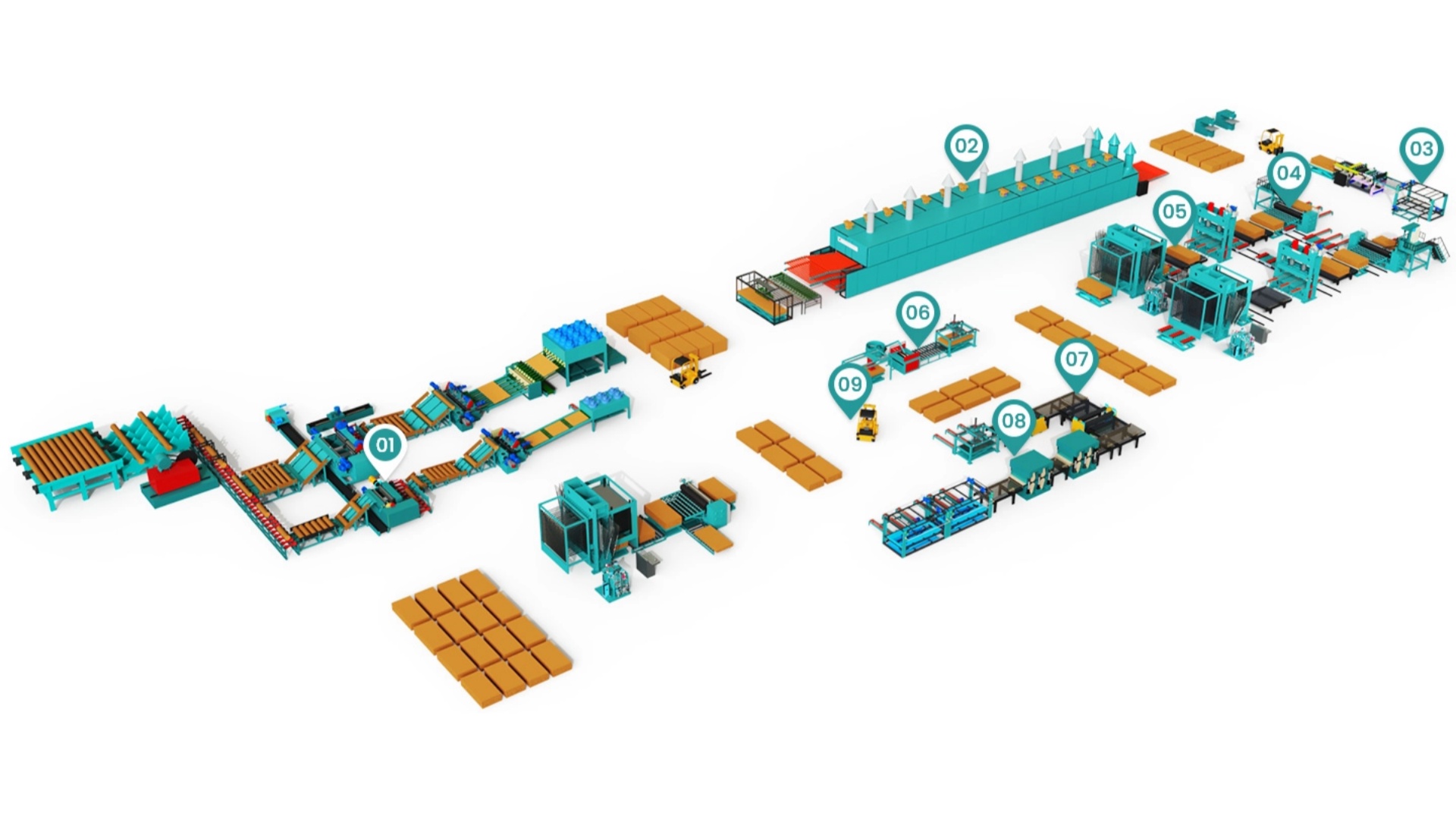
Wood is one of the most valuable resources in plywood manufacturing. Modern plywood making machines use advanced control systems to improve peeling accuracy and veneer quality.
By producing more usable veneer from each log, factories can reduce raw material waste and improve overall production efficiency.
Many plywood factories face difficulties finding experienced workers. Traditional production requires large numbers of operators for veneer handling, glue spreading, stacking, and panel loading.
An automated plywood production line can reduce manual work by using conveyors, automatic feeding systems, and robotic handling equipment. This helps factories maintain stable production while reducing labor dependence.
Quality consistency is essential for furniture, construction, and export markets.
Modern plywood making machines can monitor production parameters more accurately and help reduce defects caused by manual operations. Automated inspection systems can also improve grading accuracy and ensure stable product quality.
Drying and pressing processes consume a significant amount of energy in plywood manufacturing.
Modern veneer dryers and hot press machines are equipped with intelligent control systems that optimize temperature and operating conditions. This helps reduce fuel consumption, improve efficiency, and lower production costs.
Today's plywood factories are moving toward smart manufacturing.
Advanced equipment can collect real-time production data, allowing managers to monitor machine performance, track production efficiency, and schedule maintenance more effectively. This reduces downtime and improves overall productivity.
Market demand is becoming more diverse. Customers often require different plywood specifications and grades.
Automated production lines make it easier to adjust production settings and switch between different products, helping manufacturers respond quickly to changing market requirements.
Automation is no longer just an equipment upgrade. It has become an important strategy for plywood manufacturers seeking higher efficiency, lower costs, stable quality, and long-term growth.
With modern plywood making machines, veneer dryers, glue spreaders, cold presses, and hot presses, factories can build a more efficient plywood production line and stay competitive in today's global market.


