

Views: 0 Author: Site Editor Publish Time: 2026-10-15 Origin: Site


In plywood production, short or irregular veneer pieces do not have to become waste. With a veneer teeth jointing machine, usable core veneers can be cut, aligned and connected into larger sheets for the next production stage.
The zigzag tooth joint shown in the finished veneer creates a larger bonding area between two veneer sections. For plywood manufacturers, this process can improve raw material utilization while creating more consistent core sheets for lay-up and pressing.
Core veneer quality has a direct influence on finished plywood. Large gaps, irregular edges and poorly arranged veneer pieces can create weak areas inside the panel and make lay-up more difficult.
A veneer teeth jointing machine prepares matching tooth-shaped edges and joins the veneer sections together. This allows smaller pieces to be converted into usable full-size core sheets instead of being discarded.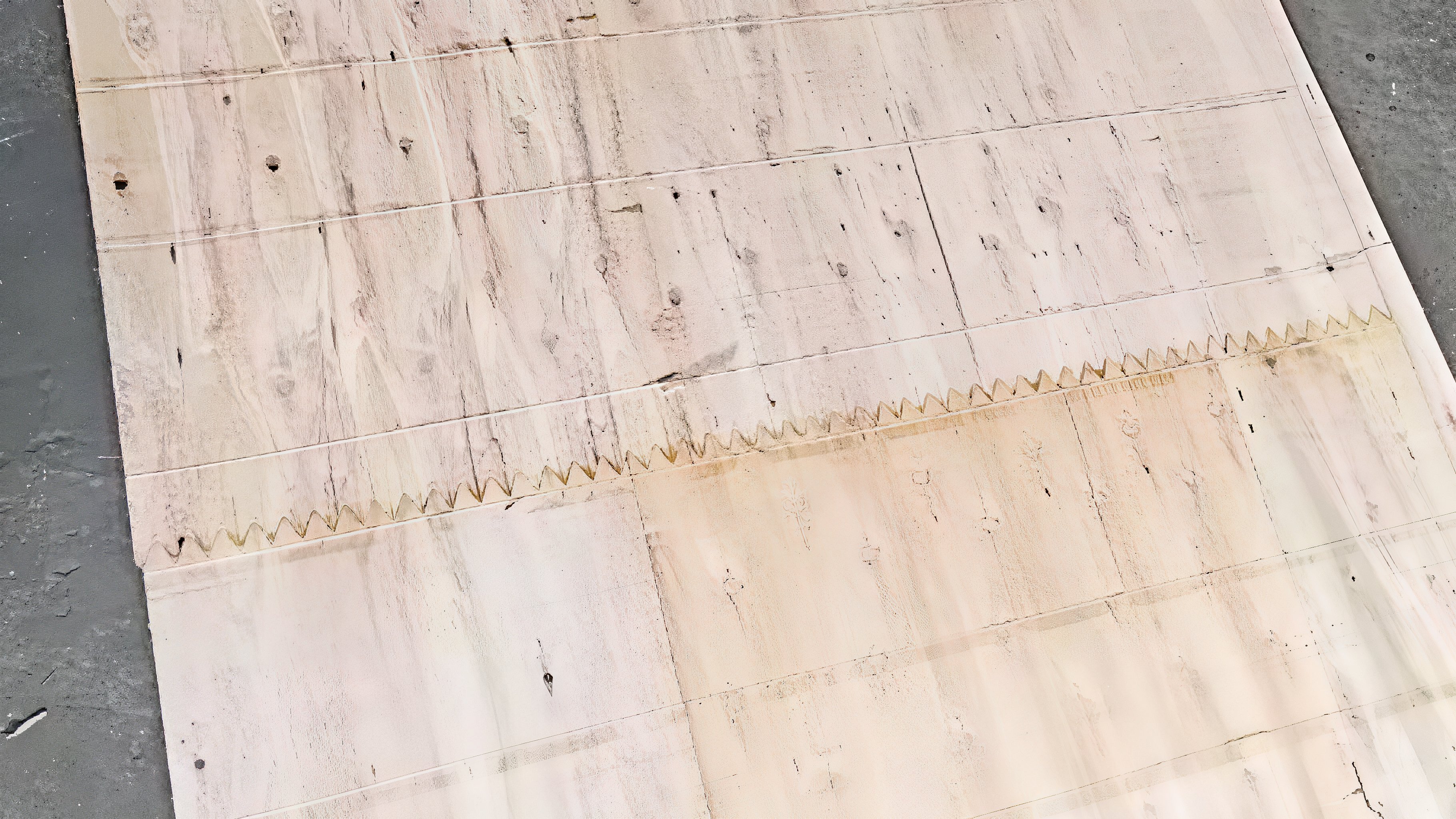
Timber and veneer are major production costs for plywood factories. Improving the utilization of every usable veneer piece can therefore make a meaningful difference to overall manufacturing cost.
Automatic veneer jointing helps factories recover short, narrow or irregular core veneer and use it again in plywood production. This is especially valuable for manufacturers processing large quantities of rotary-cut veneer every day.
The purpose of tooth jointing is not only to connect two pieces of veneer. Accurate trimming, alignment and jointing also help create a flatter and more uniform core sheet.
More consistent core veneers are easier to transport, spread with glue and position during lay-up. They also provide better conditions for cold pressing and hot pressing.
Traditional veneer arranging requires workers to select, position and combine many small veneer pieces manually. Production speed and quality can vary according to operator experience.
Modern automatic veneer teeth jointing machines can integrate feeding, trimming, tooth cutting, jointing and stacking into one production process, helping reduce repetitive manual handling and improve production continuity.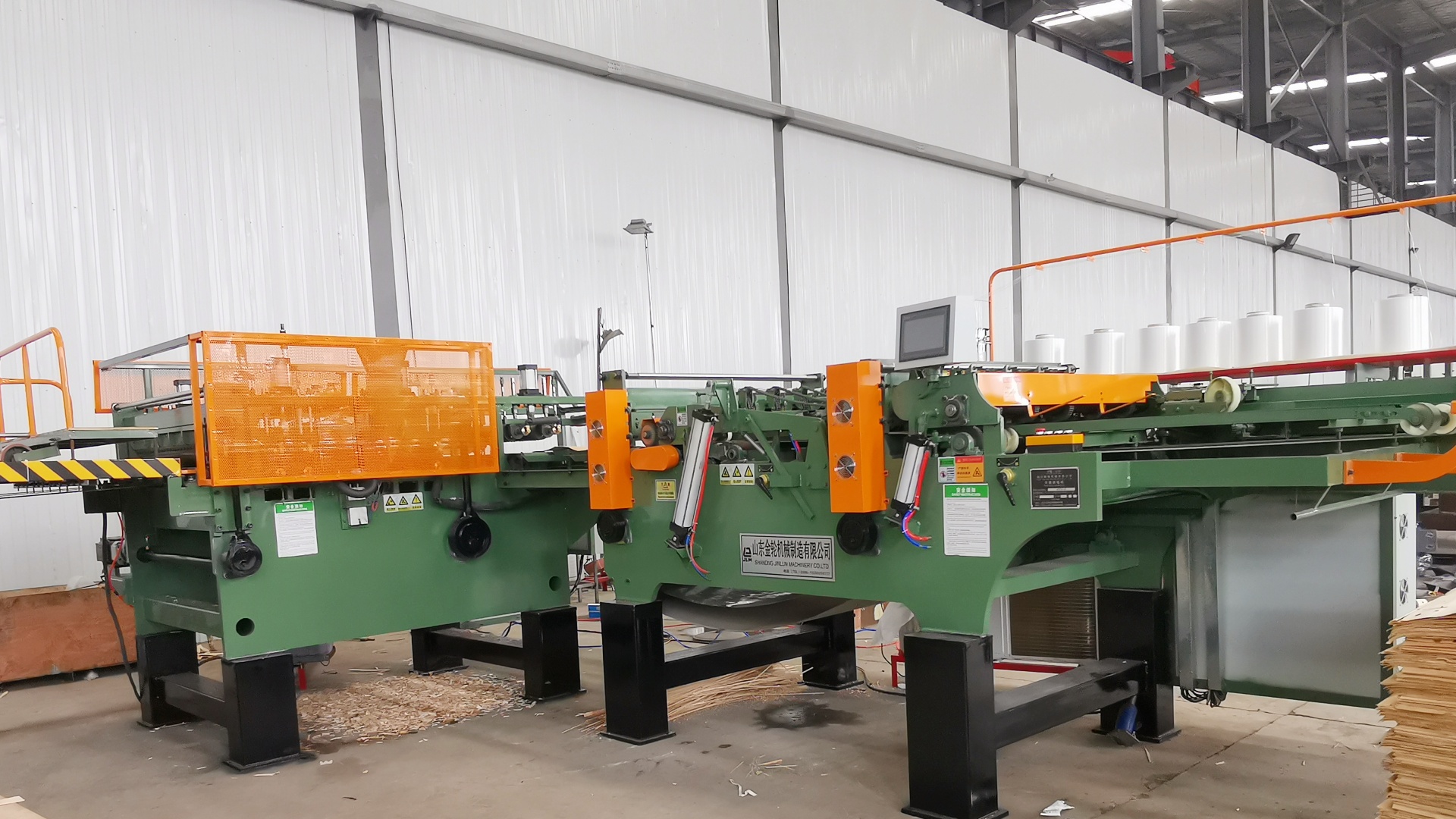
For factories that generate large quantities of short core veneer, a veneer teeth jointing machine can become an important link between veneer preparation and plywood lay-up.
By improving veneer utilization, reducing manual handling and producing more uniform core sheets, the machine helps manufacturers create a more efficient and controlled plywood production process.
Modern plywood production is increasingly focused on using raw materials more efficiently rather than simply increasing machine speed.
Veneer teeth jointing gives short veneer pieces a second production value. For plywood manufacturers looking to reduce waste and improve core preparation, it is a practical step toward more efficient and automated production.


